
Green hydrogen is the backbone of net-zero. PEM electrolyzers are its engine. TreadStone protects the stack.
Green hydrogen production via water electrolysis is on the cusp of industrial-scale deployment. The shift away from steam methane reforming (SMR) — which has historically produced 90% of global hydrogen — is accelerating under government mandates, corporate net-zero commitments, and falling renewable energy costs.
PEM and alkaline electrolyzers both play significant roles in the green hydrogen landscape. Alkaline systems are well-established, cost-effective at scale, and widely deployed. PEM systems are gaining ground rapidly, driven by higher energy efficiency, faster dynamic response to variable renewable inputs, and higher-purity hydrogen output. As PEM deployments scale, the demand for corrosion-resistant, electrically conductive coatings on titanium and stainless steel components is becoming a first-order engineering constraint — one TreadStone is built to solve.
PEM electrolyzers are extraordinarily demanding on their metal components. The combination of high voltage, acidic electrolyte, and elevated temperatures creates a corrosive environment that degrades uncoated titanium and stainless steel components rapidly — driving up replacement costs and reducing system efficiency over time. This is precisely the challenge TreadStone was built to solve.
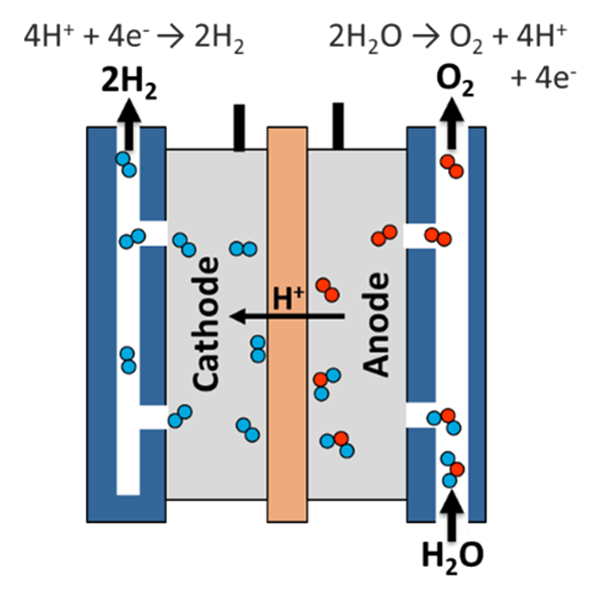 US Department of Energy
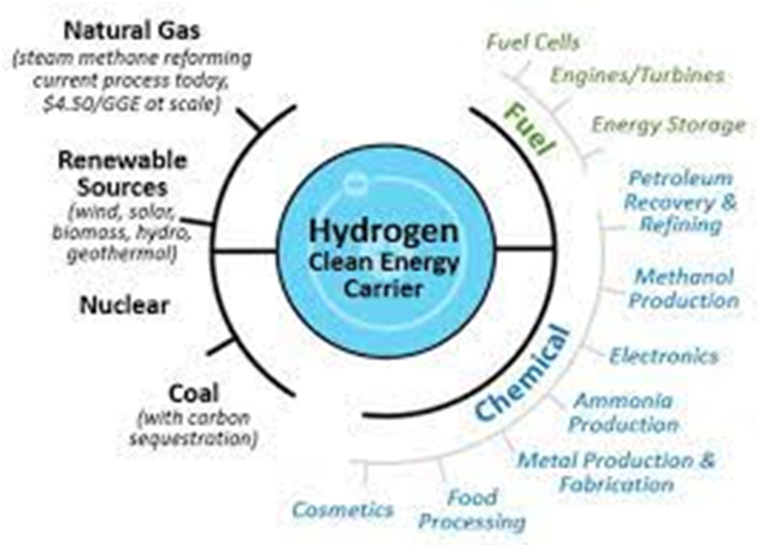 US Department of Energy, NREL